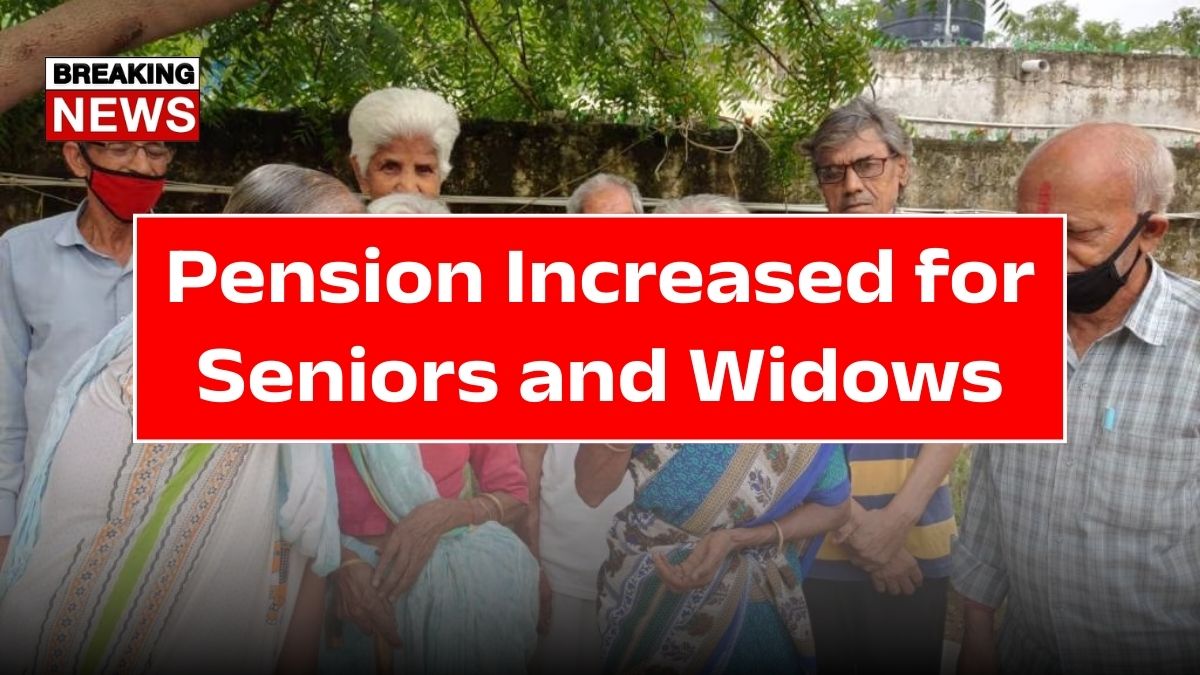
New Pension Rates 2026 : The announcement of revised pension rates for 2026 marks a meaningful development in India’s social welfare framework. While it may not have arrived with dramatic headlines, the decision directly affects senior citizens and widows who rely on monthly pensions as their primary source of income. With living costs steadily increasing, even a modest rise in pension payments can influence everyday decisions related to food, healthcare, and household stability.
Why Pension Rates Became a Policy Priority in 2026
The decision to revise pension rates follows years of discussion about the widening gap between fixed pension benefits and actual living expenses. Inflation, particularly in healthcare and essential commodities, has reduced the real value of pensions over time. Additionally, India’s ageing population and the gradual decline of traditional joint family support systems have made financial independence more critical for elderly citizens. Policymakers increasingly recognise pensions not as optional welfare, but as a necessary safety net for vulnerable groups.
What the New Pension Rates Mean on the Ground
The revised rates apply across multiple central and state-backed schemes, increasing monthly payouts without introducing new eligibility conditions. Beneficiaries will continue receiving payments through existing transfer systems, ensuring minimal disruption. On the ground, the increase may help households manage electricity bills, medical prescriptions, and daily groceries with greater ease. While it may not dramatically transform lifestyles, it reduces financial strain and provides more consistent stability to pension-dependent families.

Widows and the Gendered Reality of Pension Dependence
Widowed women often face unique economic challenges due to limited work history, restricted access to property, and social vulnerability. For many, pensions are the only dependable source of income. The 2026 revision strengthens financial support for widows, acknowledging their heightened exposure to economic insecurity. A stable monthly pension enhances not only financial security but also personal autonomy, allowing widows to meet basic needs independently and reduce reliance on informal borrowing or family assistance.
Health, Inflation, and the Hidden Benefits of Higher Pensions
Healthcare expenses form a major portion of elderly spending, and rising medical costs have forced many pensioners to delay treatment or reduce medication. A higher monthly pension can encourage timely doctor visits and proper management of chronic conditions. This not only benefits individuals but may also ease long-term pressure on public healthcare systems. In this way, the pension revision indirectly supports improved health outcomes and preventive care.
How the 2026 Pension Update Compares with Earlier Revisions
Earlier pension hikes were often irregular and reactive, offering short-term relief without addressing structural concerns. The 2026 update appears more data-driven, shaped by cost-of-living trends and demographic analysis. There is growing recognition among policymakers that pensions contribute to social stability and economic resilience. Though the increase may not be substantial in all regions, it signals a gradual shift toward more systematic and predictable pension management.

What Lies Ahead for Pension Policy in India
The revision has sparked discussions about linking pension amounts to inflation indices or introducing periodic automatic reviews. While no formal mechanism has yet been confirmed, the 2026 update may serve as a foundation for broader reforms. As India’s elderly population expands, ensuring long-term sustainability of pension systems will remain a priority. Future policy decisions will likely focus on balancing fiscal responsibility with the growing need for social protection.
Disclaimer: This article is intended for informational and journalistic purposes only. Pension amounts, eligibility criteria, and implementation timelines may vary depending on central or state government schemes. The details mentioned above are based on publicly available information and general policy trends. Readers are strongly advised to verify official notifications, consult authorised government portals, or contact local pension offices for accurate and updated information before making any financial decisions.