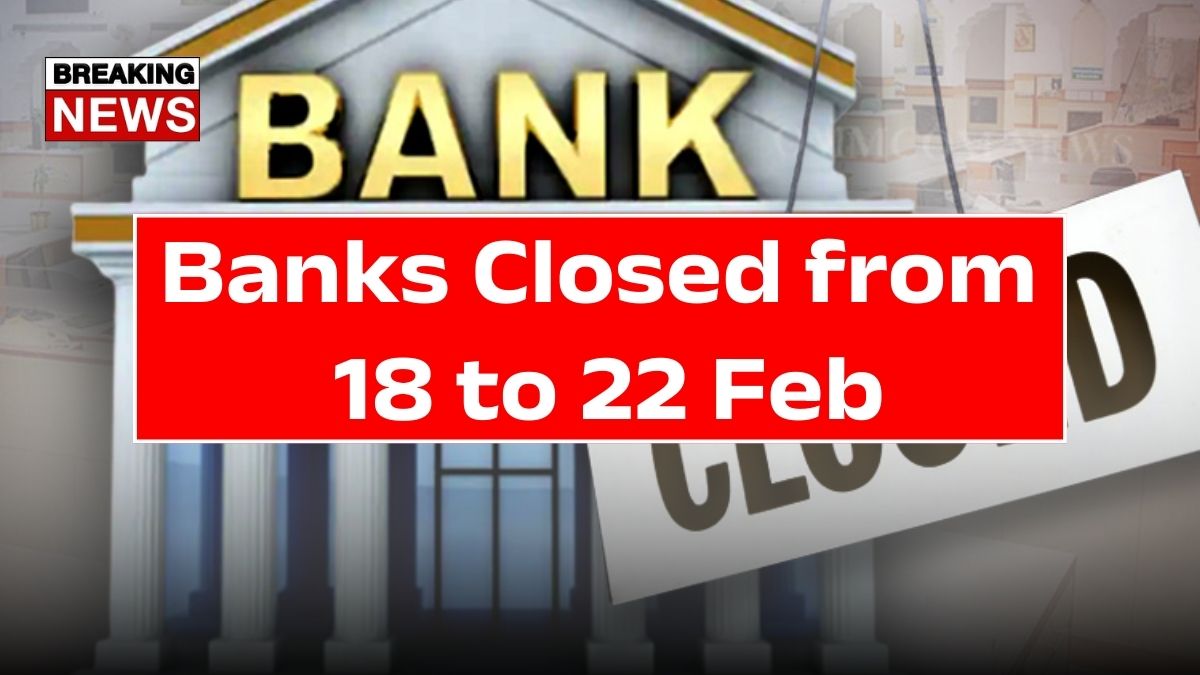
Bank Holiday : Bank customers across different parts of India should get ready for a series of branch closures from 18th to 22nd February. This is based on the official banking holiday calendar announced by the Reserve Bank of India (RBI). While annual closures happen due to regional festivals, state-specific events, and regular weekends, this particular sequence is drawing attention because of how the holidays fall close together in some states. People relying on in-person banking for cash deposits, cheque processing, or document submissions need to plan their activities carefully to avoid last-minute disruptions.
Regional Festivals and State Events Shaping the Holiday Calendar
The first closure in this sequence is on 18th February, marking Losar, the Tibetan New Year, celebrated widely in Himalayan regions. Banks in affected states will remain closed to allow the public to participate in festivities. The next day, 19th February, certain states will close branches to observe the birth anniversary of important local figures. Following that, on 20th February, northeastern states celebrate their State Day, which commemorates the formation of the state. These staggered holidays show how banking operations are tailored to regional events rather than following a single nationwide schedule.
Why Bank Closures Cluster Towards the End of February
In addition to these regional observances, regular weekends contribute to the extended perception of bank shutdowns. February’s fourth Saturday (28th February) and the regular Sunday (22nd February) closures combine with local holidays, giving an impression of consecutive non-working days. This is common in previous years as well, particularly around major festivals like Diwali or regional New Year celebrations. Even though February has fewer nationwide holidays, state-specific observances can affect businesses and individuals who need banking services across regions.

Services That Continue Despite Branch Shutdowns
Even if physical branches are closed, most digital banking services continue without interruption. Customers can still use UPI, IMPS, internet banking, and ATMs for fund transfers, bill payments, and cash withdrawals. However, some processes depend on branch operations. Cheque clearances may get delayed, and branch-initiated RTGS transactions might not be available on certain holidays. The growing strength of digital payment infrastructure reduces dependency on branches, but customers relying on traditional paper-based processes should plan accordingly.
Practical Implications for Households and Businesses
For regular customers, the main inconvenience comes from tasks that require physical presence, such as opening new accounts, submitting or updating KYC documents, and getting demand drafts. Small business owners relying on cheque clearances for supplier payments may face delays if the clearing cycle coincides with holidays. Planning transactions a few days in advance is the easiest way to avoid unnecessary stress. For example, a trader in Mumbai depositing a cheque on 17th February might see the funds credited later than usual because the following day is a state holiday.
Understanding RBI’s Holiday Classification System
RBI classifies holidays into categories to make it easier to understand which services are affected. Negotiable Instruments Act holidays mainly impact cheque clearing and branch operations. RTGS holidays focus on real-time settlement systems processed at branches. Some holidays, known as “Closing of Accounts,” occur at the start of the financial year for bookkeeping. This classification ensures transparency about which services continue digitally and which are paused. Customers should check with their banks since operational implementation may vary slightly between institutions.

How Customers Can Confirm Local Bank Holidays
Since bank closures differ by state, it’s important not to rely solely on national news. Verification should be done through official bank websites, mobile apps, or notices posted at local branches. Most banks release a state-wise holiday list at the beginning of the year, helping customers plan their visits in advance. Customer care helplines or SMS alerts are also useful to confirm working days for urgent transactions. Even though physical branch visits are becoming less frequent, they are still essential for regulatory processes, making awareness of local schedules important for smooth financial planning.
Digital Banking Minimizes Inconvenience
With modern banking heavily relying on digital infrastructure, many transactions remain unaffected during branch closures. Fund transfers via UPI or net banking continue 24/7, while ATM services remain operational. Customers can still manage daily payments, set up standing instructions, and handle routine financial tasks digitally. This convenience ensures that only services requiring branch presence, like cheque deposits or new account creation, face temporary delays, reducing the overall impact of holidays.
Planning Ahead Saves Time and Stress
The key takeaway for customers is to plan critical transactions ahead of these holidays. Depositing cheques, obtaining demand drafts, or initiating any branch-specific services a few days in advance prevents unnecessary delays. Businesses should also communicate with their banks to ensure that payment schedules, payroll processing, or supplier settlements are not disrupted. Staying informed about local bank schedules helps households and enterprises maintain smooth financial operations without surprises.

Conclusion
The RBI-announced holidays from 18th to 22nd February are primarily state-specific, influenced by cultural festivals, state formation days, and regular weekend closures. While digital banking services continue to function, customers depending on branch-based transactions may experience minor delays. By checking official updates, planning transactions in advance, and leveraging digital services, households and businesses can minimize disruption and ensure smooth financial management during this period.
Disclaimer: This article is based on publicly available banking holiday schedules and general RBI guidelines. Actual branch operations may vary depending on the bank, branch, and local regulations. Customers are advised to verify the exact dates of closure with their bank before scheduling important transactions. While digital banking usually remains functional, some services like cheque clearing or branch-initiated RTGS may experience delays depending on the system and regulatory processes.